




Community support
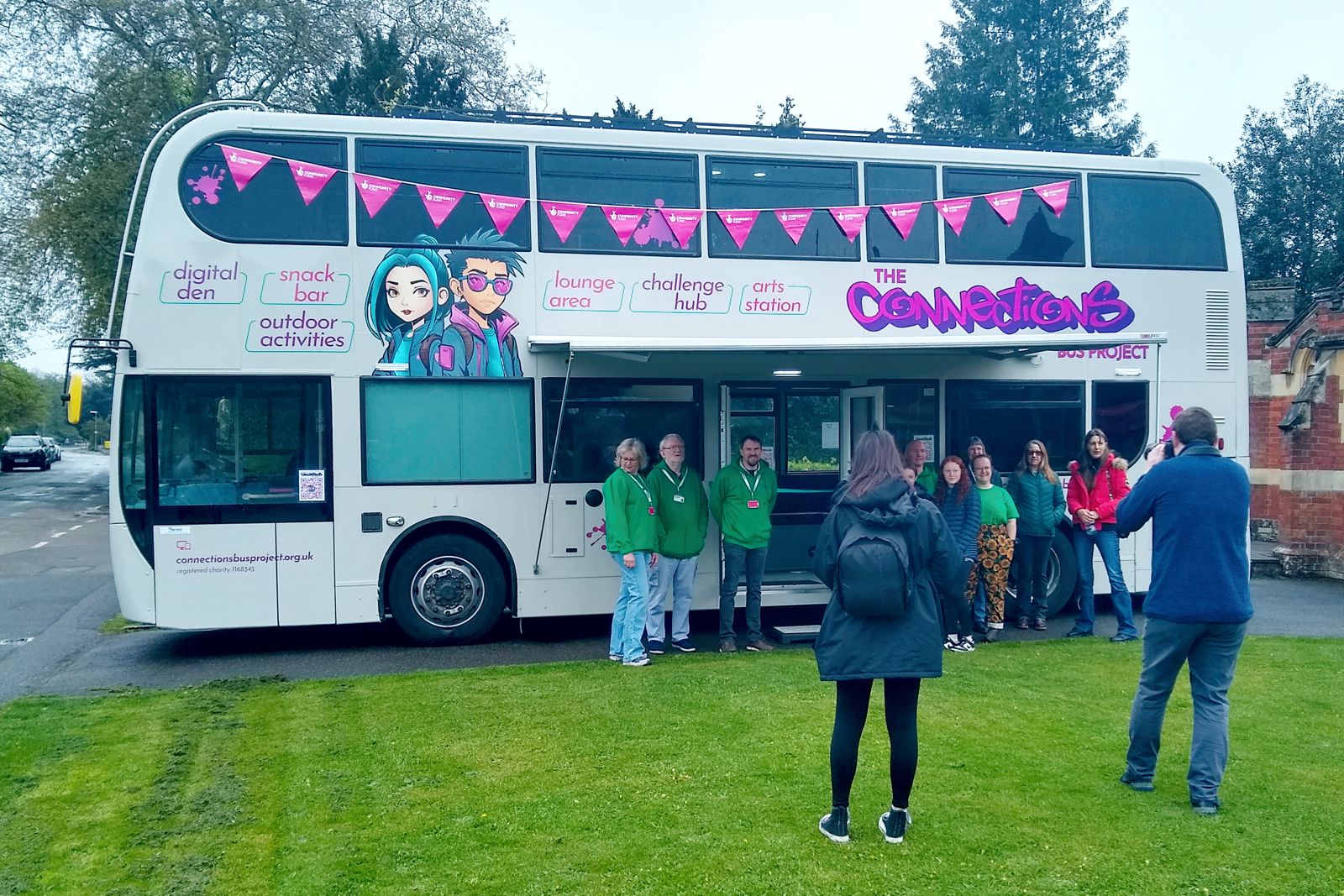
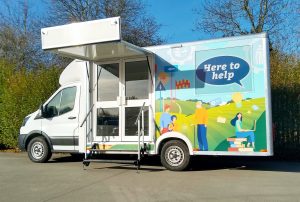
Whether in rural villages or densely packed, urban neighbourhoods, community support is not always just a “nice-to-have” service; it is a means, and often the only means, by which the community is held together. Without such support, many residents, primarily the young and the elderly, would lack access to vital services and leisure activities, resulting in damage to their well-being.
Thankfully, community support is available from a variety of sources, including local authorities, charities, and spiritual organisations. Between them, providing a range of differing support services.
The nature of community support required being determined by distinct demographic and economic pressures, with rural areas facing challenges related to an ageing population and physical isolation, and urban centres grappling with higher rates of loneliness and the direct impacts of the cost-of-living crisis hitting all in 2026.
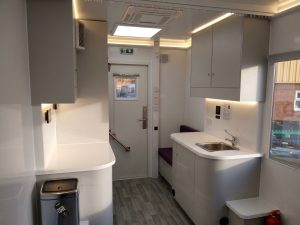
The need for community support in rural areas
Rural communities make up approximately 17% of our population and require specific support due in the main to their physical isolation.
- Over a quarter of rural residents are believed to be aged sixty-five and above, which is significantly higher than in urban areas, creating a heavy demand for adult social care and community-led initiatives to prevent chronic loneliness among older people.
- It costs more to deliver services in the countryside due to lower economies of scale and higher travel costs, which often leads to “service deserts” where public transport and primary healthcare are difficult to access for the younger members of society.
- While many rural areas often report better general well-being, it is a fact that the registered suicide rate is higher in rural areas compared to urban ones, highlighting a need for localised mental health support.
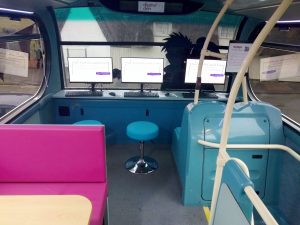
The need for community support in urban areas
Urban areas face a contradiction in comparison to rural areas in that high population density does not necessarily equate to high social interaction.
- Research indicates that urban residents often report higher levels of loneliness and poorer well-being than those in remote rural areas, and particularly prevalent in districts with high unemployment and concentrations of young people between the ages of 16–24.
- Urban neighbourhoods are disproportionately affected by deprivation and poverty, with approximately 12% of the urban population living in the most deprived 10% of neighbourhoods in England, compared to just 1% of the rural population.
- By late 2025, 61% of UK adults reported an increase in their cost of living, with low-income urban households most severely affected by the ever-rising food and energy prices.
Who provides the help
In addition to Local Authorities, community support is provided by an estimated 165,000 voluntary organisations, and whilst some large charities make the headlines, it is believed that 96% of the sector is made up of small organisations operating at a neighbourhood level. As of 2026, these groups are increasingly providing essential frontline support, filling gaps in social care, food security, and mental health.
Just one example is the ongoing need for food support, with the House of Commons Library recording that between April 2024 and September 2025, The Trussell Trust alone, via its 1400 food banks, provided approximately 2.9 million emergency food parcels.
Multi Vehicle Technology helps provide the means for support services
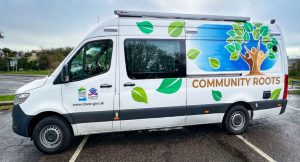
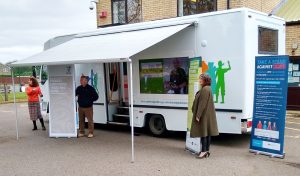
We are pleased to be associated with so many community projects in various parts of the country through the design and provision of bespoke vehicles from which community support services can be delivered. The projects for which we have provided bespoke vehicles are as diverse as the needs they serve:
- Food parcel distribution vehicles.
- Youth club buses and coaches.
- Health care and examination vehicles.
- Mobile libraries and mobile reading rooms.
- Information and advice centres.
- Mobile counselling services / mental health vehicles.
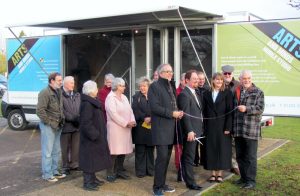
- Community arts activities mobiles.
- Play buses for preschool children.
- Mobile IT training classrooms and internet access.
- Video gaming vans for teenagers.
- Catering and cookery training vehicles.
- Substance abuse counselling vans.
- Homeless welfare, care, and support buses.
- Mobile veterinary surgeries for pets.
Bespoke vehicles for outreach projects are our speciality
Whatever your budget, we can assist you. We build new vehicles, convert existing ones, or refurbish any vehicle you may already own. If you prefer either a van conversion or a bus conversion, we undertake these too.
For more information on how we can assist you with your community support project, call us now on 0116 326 0989 or write to us at sales@multivehicletechnology.co.uk
