




Planning a roadshow
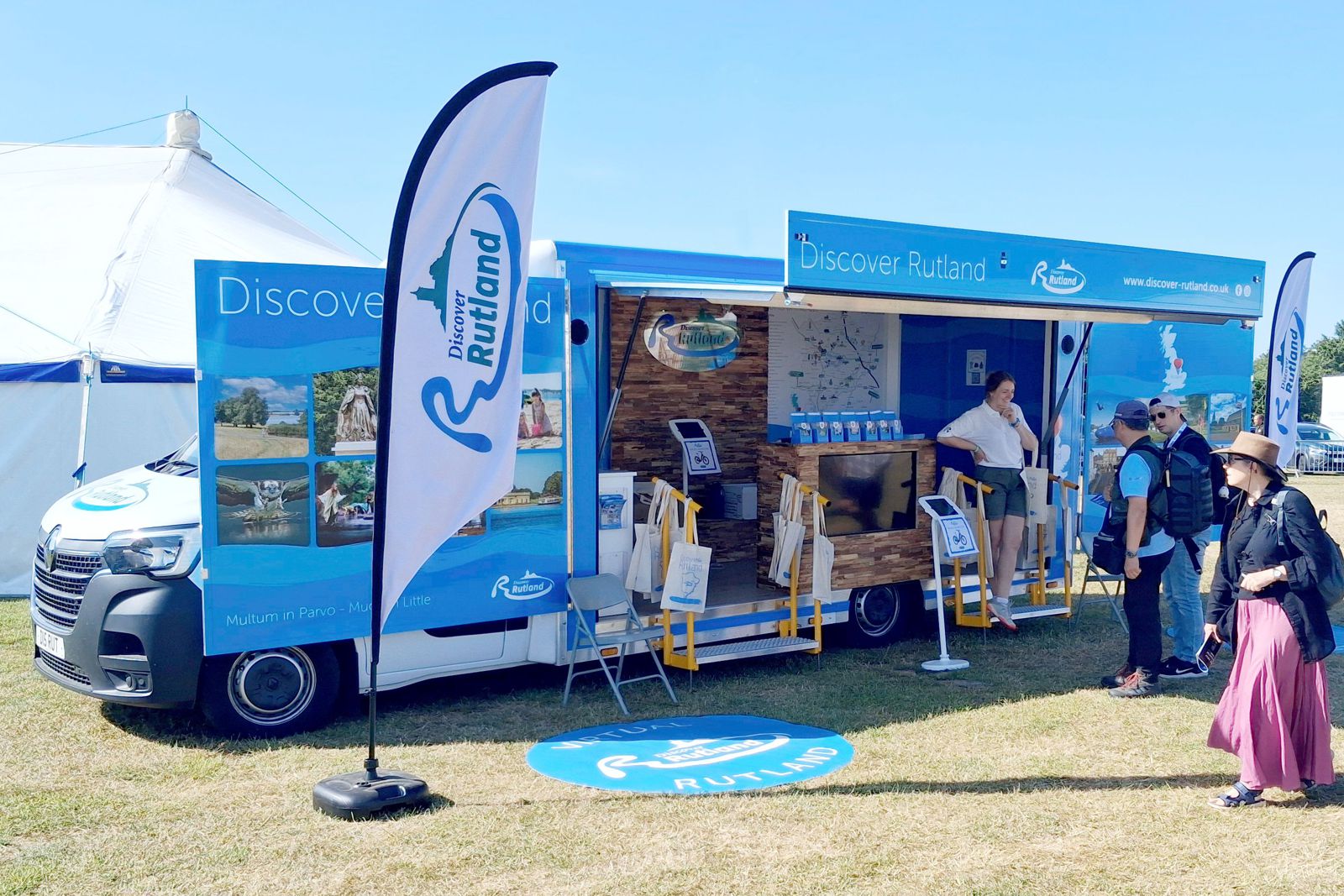
Planning a roadshow can be a daunting challenge and especially so if it is the first one you have been tasked to work on. But do not worry as it is just like planning for any other event or promotional activity, just a little different. But much more exciting and rewarding!
For inexplicable reasons roadshows have a lower profile in marketing guides and blogs than traditional advertising or the more recent phenomena of social media which in my view is quite wrong as this type of campaigning can be hugely influential and beneficial to range of organisations, if well-planned and managed.
Before getting into the detail of planning let us quickly look at the diversity of the products and services that roadshows can be used for.
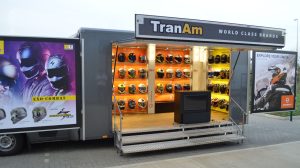
First there are the product and brand promotion campaigns such as those operated by TranAm Ltd, a wholesaler of premium motorcycle clothing and Videx Security, a leading manufacturer and supplier of access control systems. Other
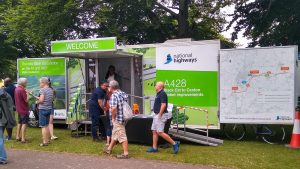
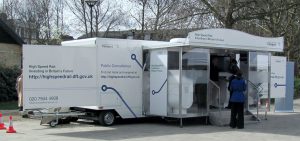
roadshows run to provide the public with information that may affect them including the High Speed 2 railway and A428 Black Cat to Caxton Gibbet improvements both of which are currently under construction.
Similarly outreach roadshows can be provided to support rural communities with help and advice such as the one operated by Cambridgeshire County Council or as in Rutland, local authorities can use roadshows to promote tourism to the benefit of businesses in the community.
Planning a roadshow: Defining your goals
The need to define the goals for any roadshow should really be a given, as this is such a fundamental element of running any promotional activity, but it never hurts to put it down on paper so that down the line there can be no mistake about what the roadshow is to be all about. It is surprisingly easy for messages to be misinterpreted or misunderstood and remember the folk on the roadshow vehicle or event trailer will be out there on their own and away from base. Clear communication and understanding of the objectives are essential for success.
Planning a roadshow: Researching your target audience
I have never found this aspect of the planning a roadshow process to be too onerous. Any successful business has a thorough knowledge of its’ customers profile, just as youth groups know their target audience age ranges and local authorities know their rural communities that require outreach services.
Planning a roadshow: Selecting the locations
Having established what you want to say, and who you want to say it to, you need to determine where geographically is best to find your audience. For some organisations this will be quite easy. Take for example the pipe and jointing manufacturer who wants to demonstrate new products to plumbers and simultaneously promote to their wholesale network. Where better than to set up your product demonstration vehicle in the car parks of each of your key distributors and hit two market sectors in one.
On the other hand, if you are promoting products to a scattered audience such as farmers it can be more cost effective to take your exhibition vehicle to shows which in the case of farming could include local agricultural events and larger ones such as LAMMA with its 40,000 visitors or say the Royal Highland Show (212,000 visitors in 2025).
If you are intending to promote your products and services via your event vehicle to consumers, then you probably need to look at town centres or shopping centres such as Rushden Lakes in Northamptonshire with tens of thousands of visitors each week or The Metro Centre in Gateshead which attracts over half a million visitors every week!
Alternatively, there are a wide range of County Shows and similar events where consumers gather in their thousands and worthy of consideration when planning a roadshow.
The good news being that all event organisers will be happy to provide visitor numbers for free to assist with your decisions. The unwelcome news being that if you wish to research footfall in town centres you may have to pay for such data, which is readily available from a number of recognised specialist suppliers.
 Planning a roadshow: Selecting the vehicle
“The world is still deceived with ornament” William Shakespeare, The Merchant of Venice.
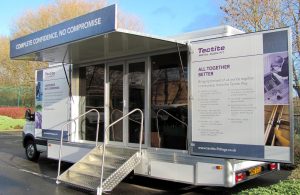
Presentation is everything and even the Bard refers to its importance back in his day. Presentation is about generating attention, creating interest followed by desire, about getting people to buy into what you are offering. All of which makes the choice of the roadshow vehicle be it an exhibition vehicle, product display vehicle, sampling vehicle, or an outreach vehicle a key decision of the entire process of planning a roadshow.
How large or small the trailer or vehicle needs to be, how it should look, what features to have are all important decisions. Does it need to be wheelchair accessible; does it need to be open and welcoming or closed and personal; does it need to be stylish or will functional be better to attract the intended audience? Are display panels and banner boards required, will refreshment facilities be beneficial and for some outreach vehicles will toilet facilities be a necessary feature.
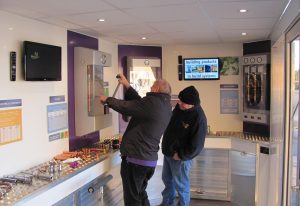
Should the vehicle be painted (all come naturally white) or vinyl wrapped. How should the graphics be designed to achieve maximum appeal.
With the experienced team at MVTech we can walk you through all the alternatives available which will start with our very first question…who will be responsible for the movement of the event vehicle? This is important because it leads to issues covering driving licence requirements along with other potential obligations such as the need for Tachograph and an Operator’s Licence. These are technicalities which we can hopefully dismiss when planning a roadshow for most people but nevertheless you need to be aware of them.
We also offer a full design service providing 3D drawings to enhance any internal presentation you need to make to get your project started.
When considering how a vehicle should look, I often recall the words of John Cleese when referring to his range of management training films: “People learn nothing when they’re asleep, and very little when they’re bored”. He was referring to training, but I believe the observation it just as relevant to roadshow design in that if the vehicle is not exciting and attention grabbing your target audience will be bored and pass you by.
Planning a roadshow: Assembling the team.
If there is one very import thing I have learnt over the years, it is the basic fact that you must never ever “press gang” a colleague into going on a roadshow. Whilst for me being active on an exhibition vehicle is great fun and highly rewarding (even if exhausting) many find the role a very onerous one. So, when assembling a team, you want volunteers or experienced personnel only or risk the roadshow becoming a disaster.
Once assembled make sure all members leave base well trained and fully understanding of your goals. If you have a product, they need to know all about it and if a service they need to know all about how it is provided. Everyone will be caught out sometime but if they promise to find the answer to an enquiry and do so then that is fine.
Being on a roadshow is very much like being on an exhibition stand and sometimes you must be very resilient, especially if the weather goes against you! It can be a lot harder doing than planning.
Launch activity.
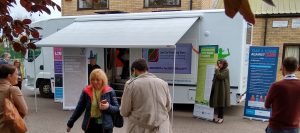
Always make use of your PR colleagues or do it yourself but make sure that before the roadshow vehicle leaves you get good photos and publish them in all appropriate media along with a stimulating promotional story.
Follow this up by making use of PR at each venue. Those promoting worthy causes, raising funds for charities, or providing public information can usually call on local dignitaries such as the local councillor, mayor, MP or if you are lucky a local celebrity musician, author, or well-known individual. I have been on more than one roadshow visited by a member of the Royal family but that has more often than not been through luck than planning.
It is not over until it is over!
“An event is not over until everyone is tired of talking about it.” Mason Cooley
This is a reminder to plan to follow up on each event venue. Thank dealerships for allowing you to park up. Thank key visitors for visiting. Thank anyone who has placed an order with you and write back to those with have placed enquiries.
Driving away is not the end of an event if you wish to make your roadshow a real success.
And finally.
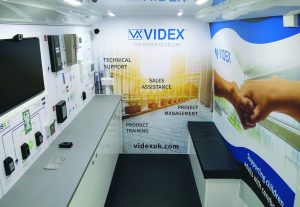
Please plan well in advance if you can! Building an exhibition trailer can take as little as 6 weeks but booking it in for the required IVA (Individual Vehicle Approval) inspection can sometimes add weeks and under UK Regulations your exhibition trailer can only be used on the road once inspected and Approved.
Vehicles can be a different matter again. Van based roadshow vehicles are normally available for conversion at short notice. Chassis cab-based vehicles with boxed bodies can be on long lead times from manufacturers, as most are now produced overseas.
If time is critical (and this applies to many roadshows) we can often help achieve your deadlines by converting an existing vehicle or trailer.
The sooner you can talk to us about your projected roadshow the better.
How to get in touch with us.
If you feel that you would like to get in touch just give us a call on 0116 326 0989 and one of the MVTech team will be happy to discuss your roadshow or simply write to us at sales@multivehicletechnology.co.uk with some outline details of what you wish to plan
Alternatively, why not arrange a Teams Meeting to make it that little more personal!
Author: Scott Walker
